


Studio Series
VINTAGE PIANO


A deep sampling of a beloved compact Japanese studio piano, Studio Series – Vintage Piano embraces the timeless character of a classic C2 workhorse in a real working studio.
Recorded chromatically over 13 hours straight with 9 microphone arrays covering nearly every common piano recording technique, both normal and sustain pedal playing are captured consistently at 7 layers each, as well as real staccato playing at 7 layers and release behavior.
Early Bird Sale: Save $30 with code SSVPEB during checkout!
Valid thru September; discount reflected in Grand Total not product price.
system requirements
In order to use this product, you must own
Native Instruments Kontakt 7.6.1+
If you have Kontakt Player, you will be limited to a 15-minute demo period.
Please ensure you have the correct version installed before proceeding.
$129 $99 Early Bird
| Developer: | Versilian Studios LLC. |
| Software: | Kontakt FULL 7.6.1+ Required |
| Format: | .nki (Kontakt instrument) |
| Samples: | ~5,000 Samples; 44,163 Sample Files (?)Samples are individual performances, not including duplicates from multiple mixes or mic positions. The File count is the total number of sample audio files in a product, often published by other developers as 'samples'. Instrument list |
| Filesize: | ~30 GB of HDD space (+30 GB for installation files) |
| Other: | HDD of 7200+ RPM or SSD recommended 8GB+ of RAM recommended |
To our  UK &
UK &  EU Customers:
For VAT purposes, please purchase this item on Loot Audio & Best Service
FEATURES
A Legendary Instrument
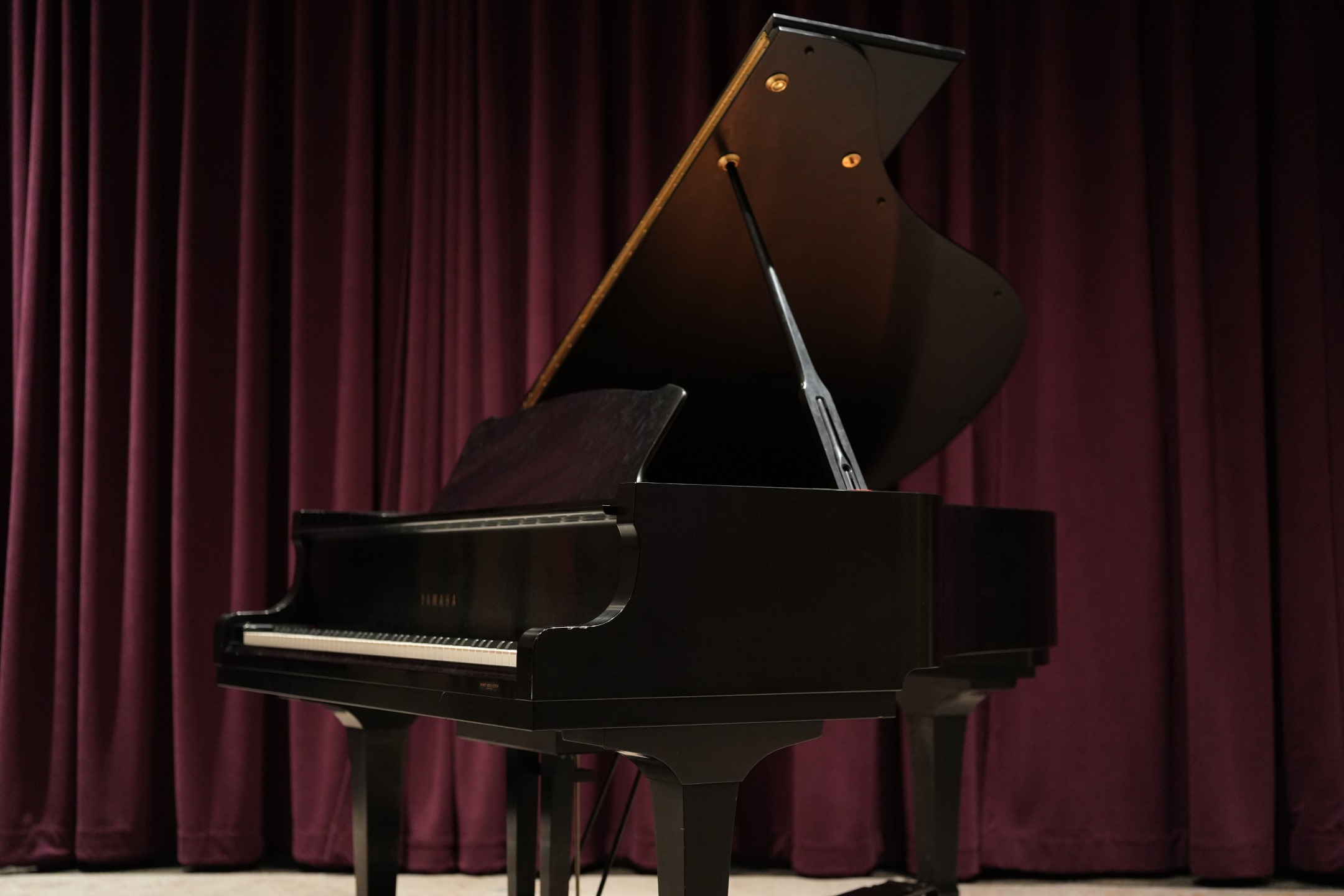
The ‘C’ family of instruments have seen use in countless albums and studios over the past 50 years with their reliability and performance. The second smallest of the bunch, the C2, is diminutive at just 5’8″, but packs a remarkable punch in tone and is brought to its very best light through a huge selection of premium microphones.
This particular instrument is the resident acoustic piano at Boston’s The Record Co., a non-profit recording studio and creative workspace host serving musicians of all levels and means across one of America’s great musical hotbeds, a real working piano in its natural habitat.
Realism & Flexibility
Great care was taken to ensure a consistent sample set without detracting from the unique character of the piano.
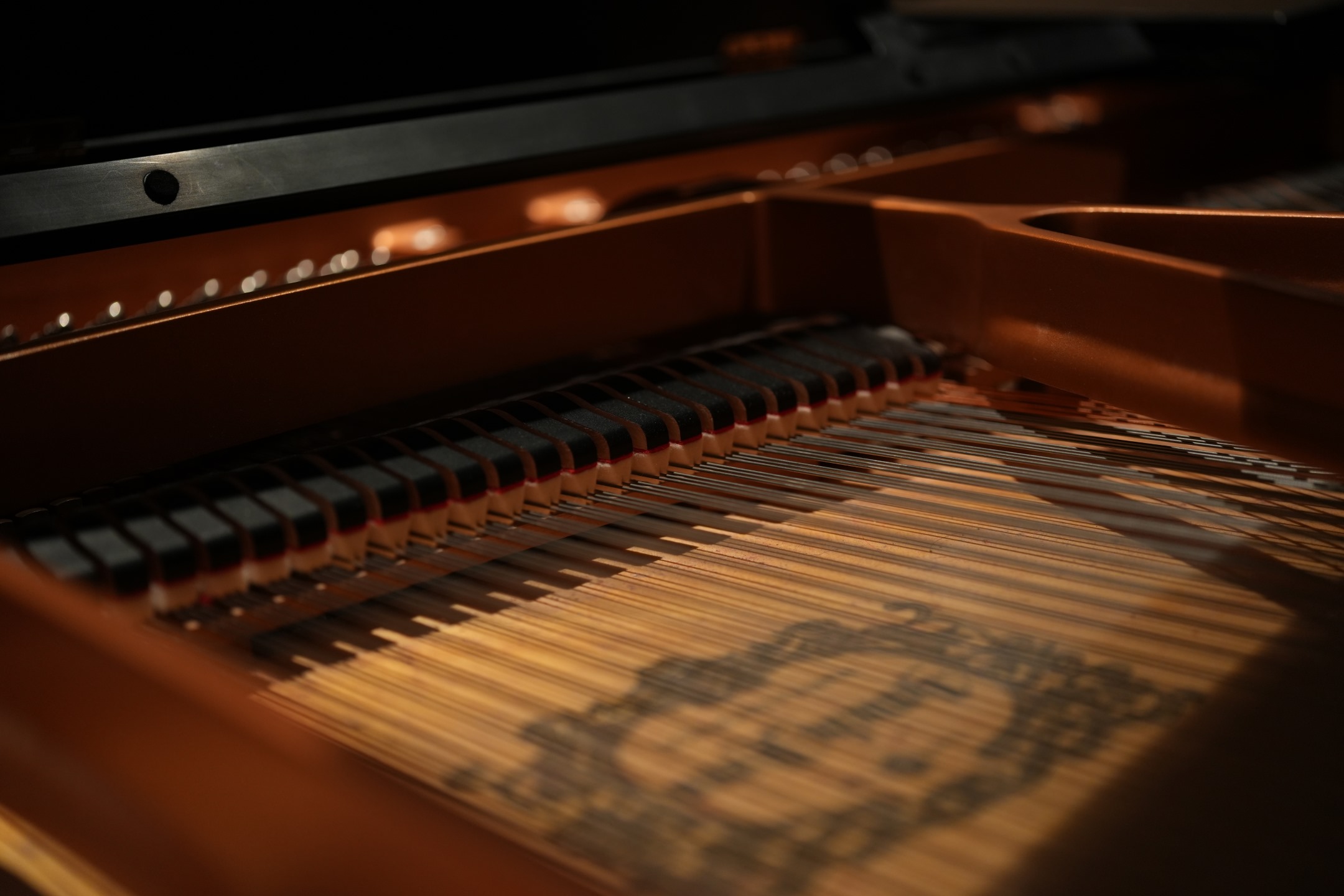
Precise performances were recorded within a narrow margin across the entire, chromatic range of the instrument, ensuring a high degree of consistency in feel and response.
Special attention was paid to the editing of the samples to ensure a consistently tight feel across the entire set.
Real releases were captured across all dynamic levels to provide a natural end to every note, plus the capture of pedal noises, with complete user control over all sound elements.
As short notes on the piano tend to sound quite unique, the entire process was repeated with staccato playing at 4 round robins to ensure all dynamics are available in this special sound quality.
A special experimental ‘repetitions’ pass was recorded for the middle layers, capturing the unique sound of the hammer striking already-vibrating strings.
Instead of typical denoisers which mangle the sound and phase, a hand-calibrated linear phase dynamic EQ was used to reduce noise without a reduction in sound quality, phase shifts, or preringing.
An Audio Engineer’s Dream
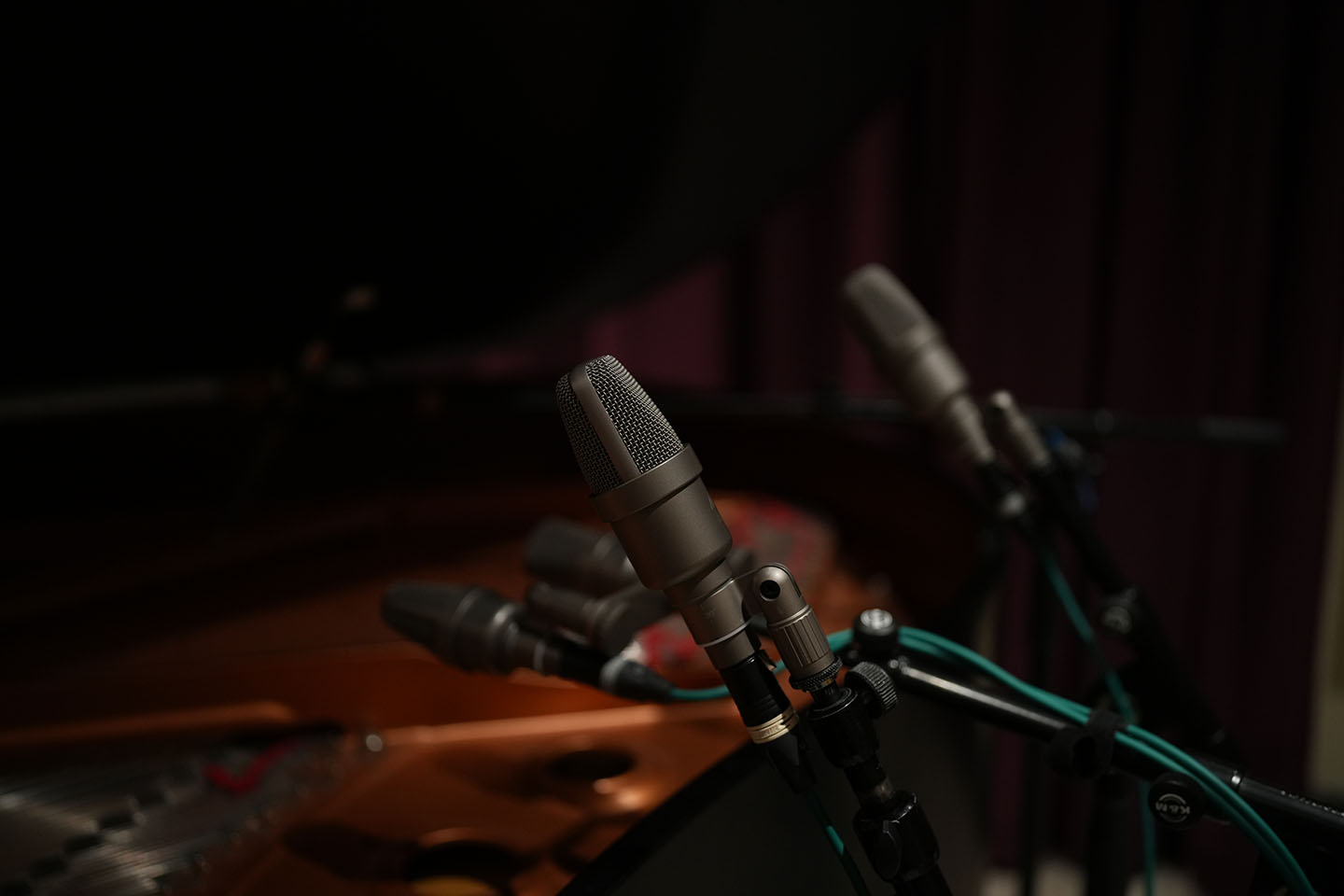
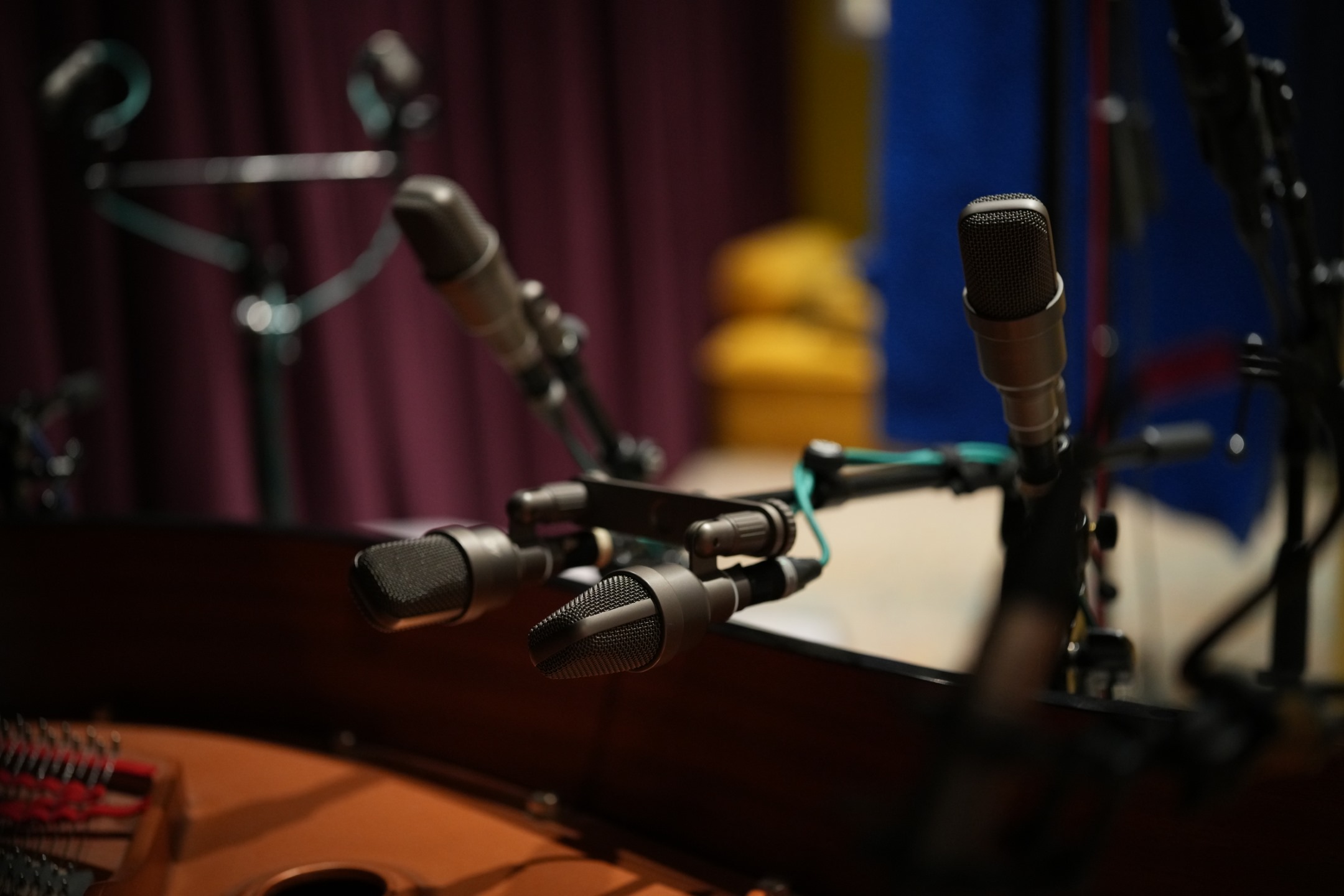
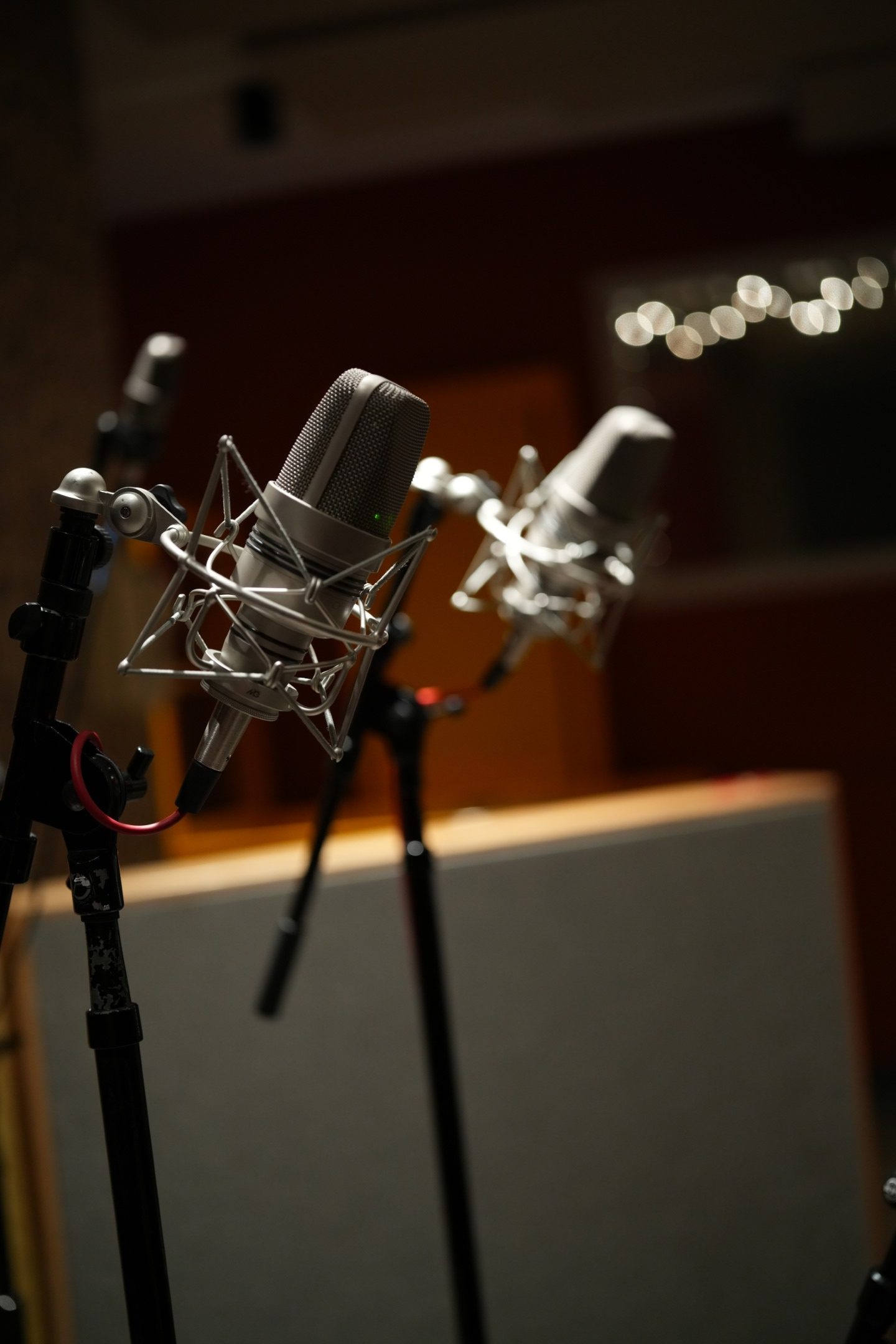
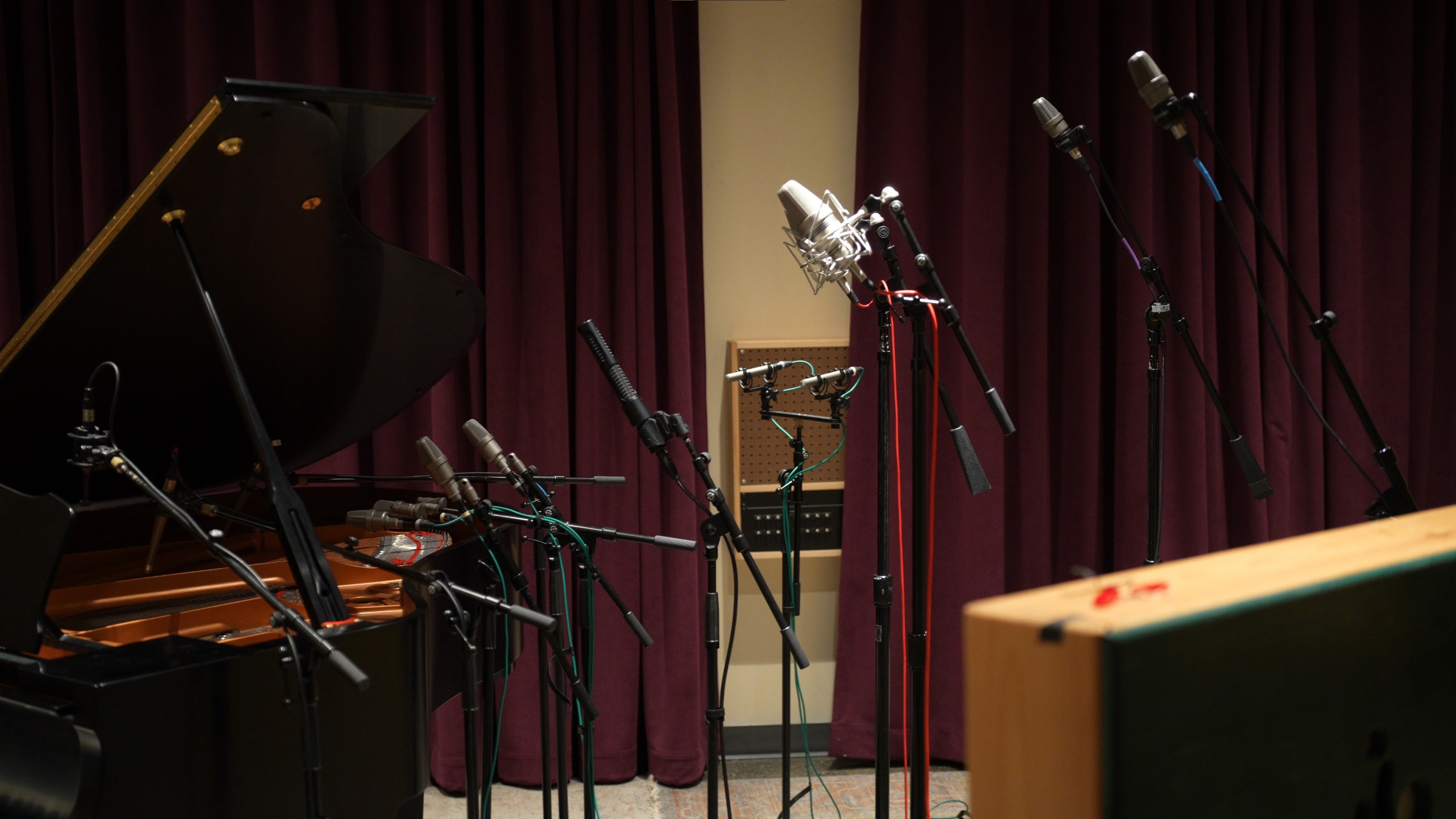
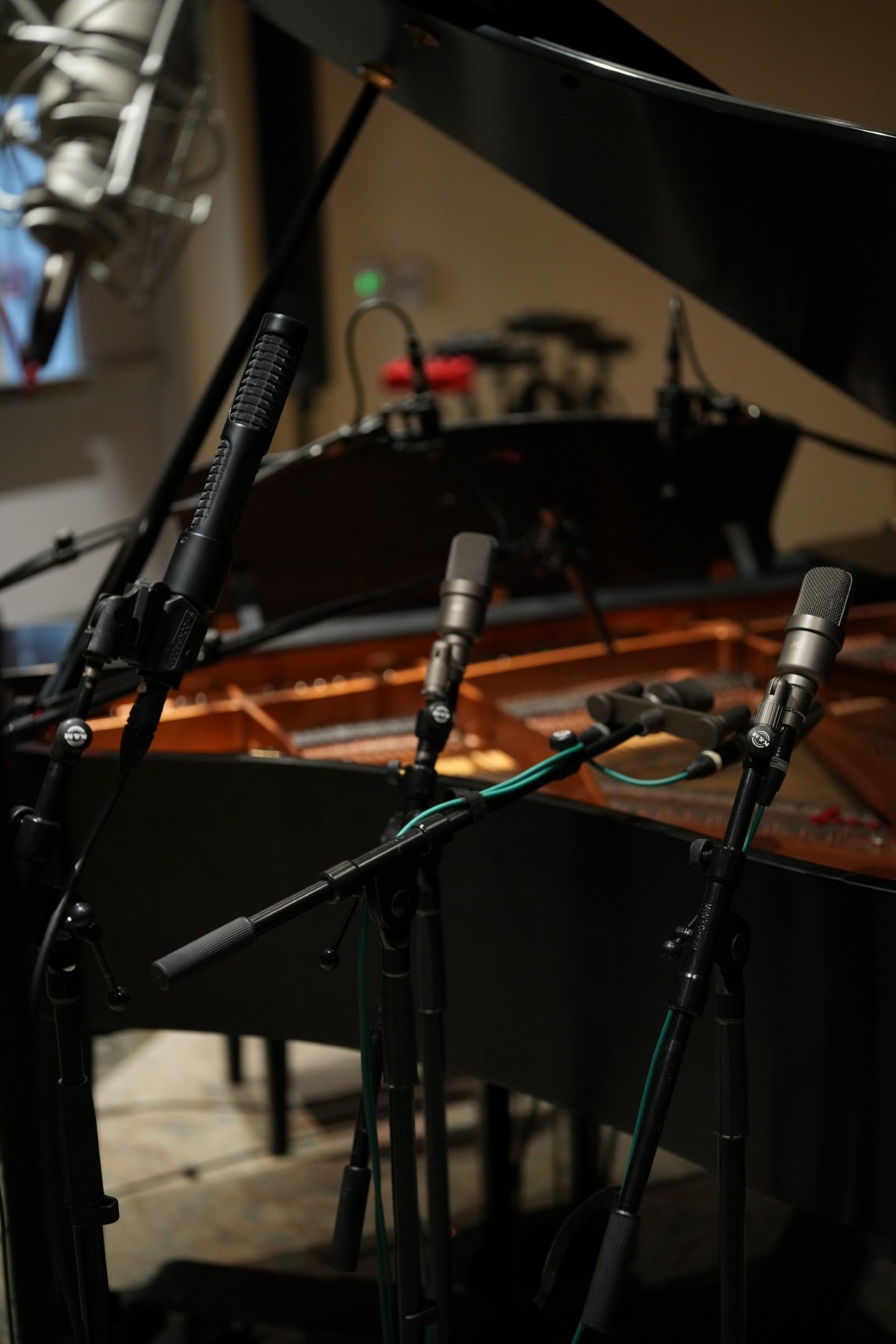
Find your sound with an unparalleled 9 sets of microphones, used to capture the piano according to most major recording techniques simultaneously. The models chosen cover a broad range of tone concepts while maintaining low noise and distortion across the entire dynamic range of the instrument.
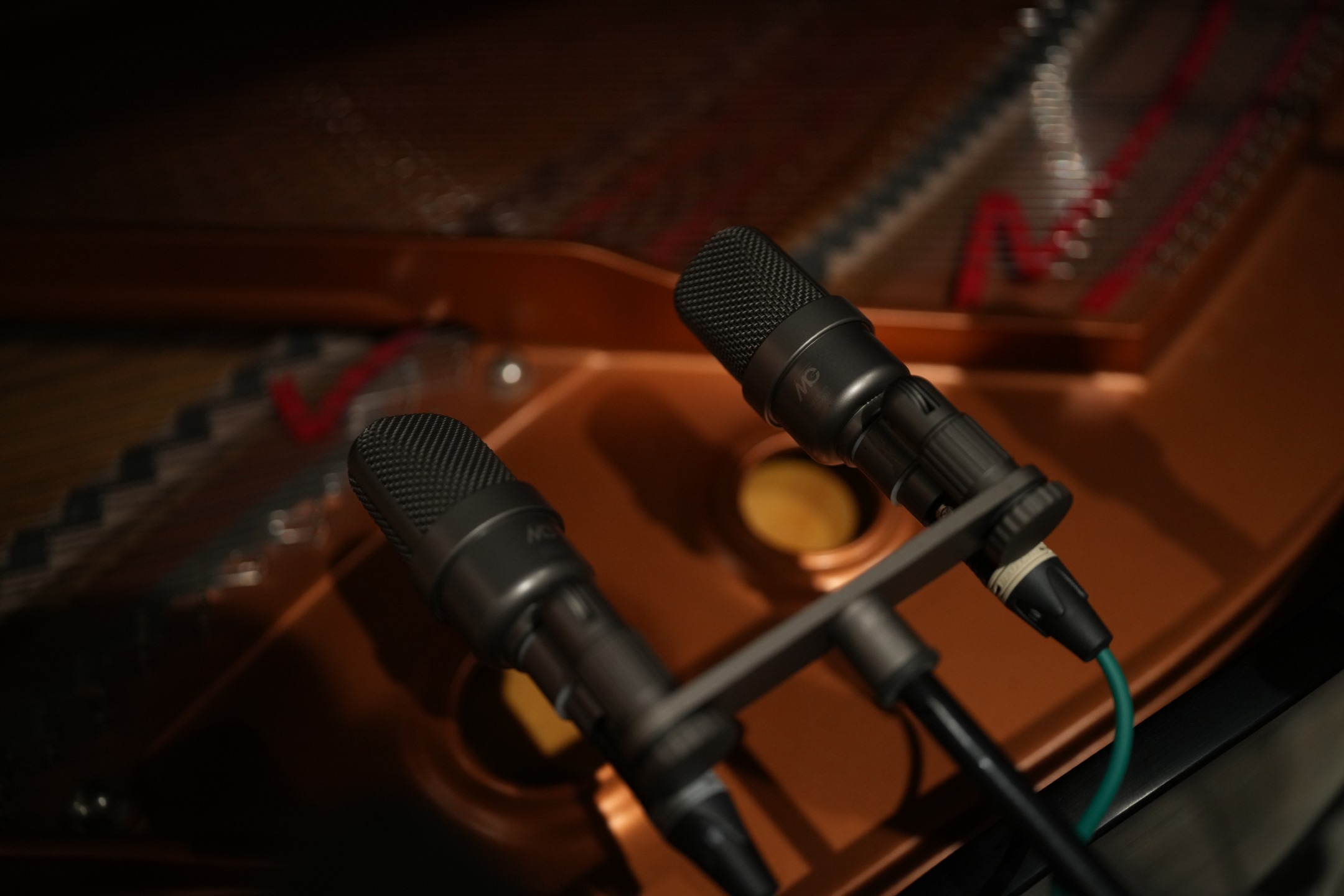
Up close, a pair of Samar MG20 transformer-equipped SDC’s cover the classic, articulate over-the-hammers perspective with a warm vintage nod, while a single AT4047 captures the damped sound from underneath.
Working over the plate, a pair of Gefell M940 large-diaphragm supercardioids capture the piano’s purity with brilliant ‘cut’. Switch to the laboratory reference Gefell M221 measurement omnis spaced over the soundboard itself for impressive linearity!
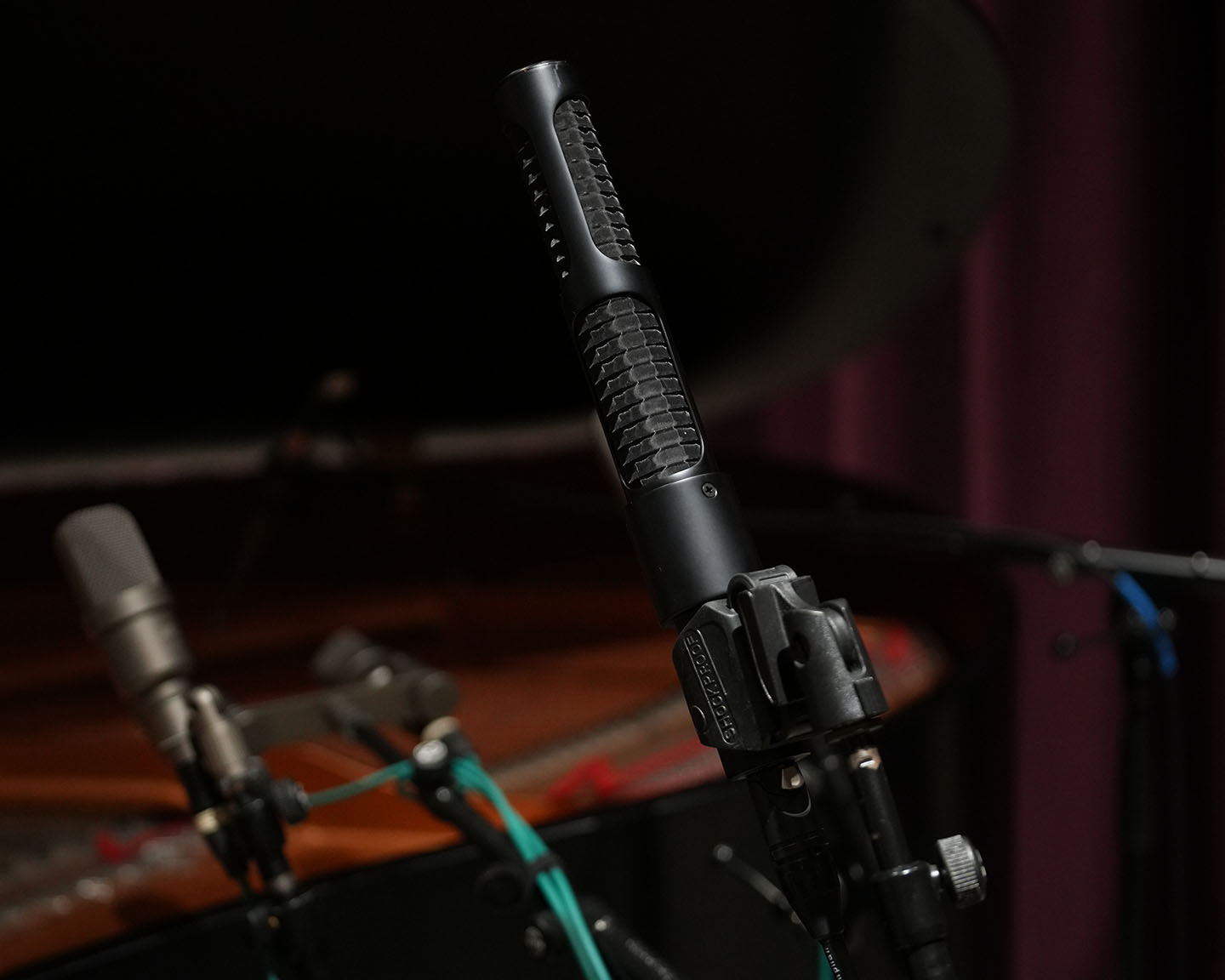
Towards the edge of the piano, the ideally-placed Gefell M930Ts provide the popular in-the-bend placement with the benefit of their hefty transformer weight. Slightly further out, the new AEA N28 stereo active ribbon provides a mono-compatible blumlein capture with incredible warmth, popular among jazz and classical engineers.
For the main position, a pair of Gefell UM930 multipattern LDC’s provide a naturalistic capture with immense dynamic range and minimal noise, ideal for classical or jazz.
Further out in the room, a pair of Gefell M950 wide cardioids with very low self noise and spacious but detailed wide cardioid pattern provide the perfect sound for blending with your favorite samples from scoring stages and concert halls.
The well-established ‘Decca’ piano method, a pair of diffuse-field omnis narrow spaced at the tail, is also represented, and provides a very even if distant perspective.
Conversion was handled with the Merging Hapi Mk. II using the latest ADA8V3 I/O cards.
Advanced Control
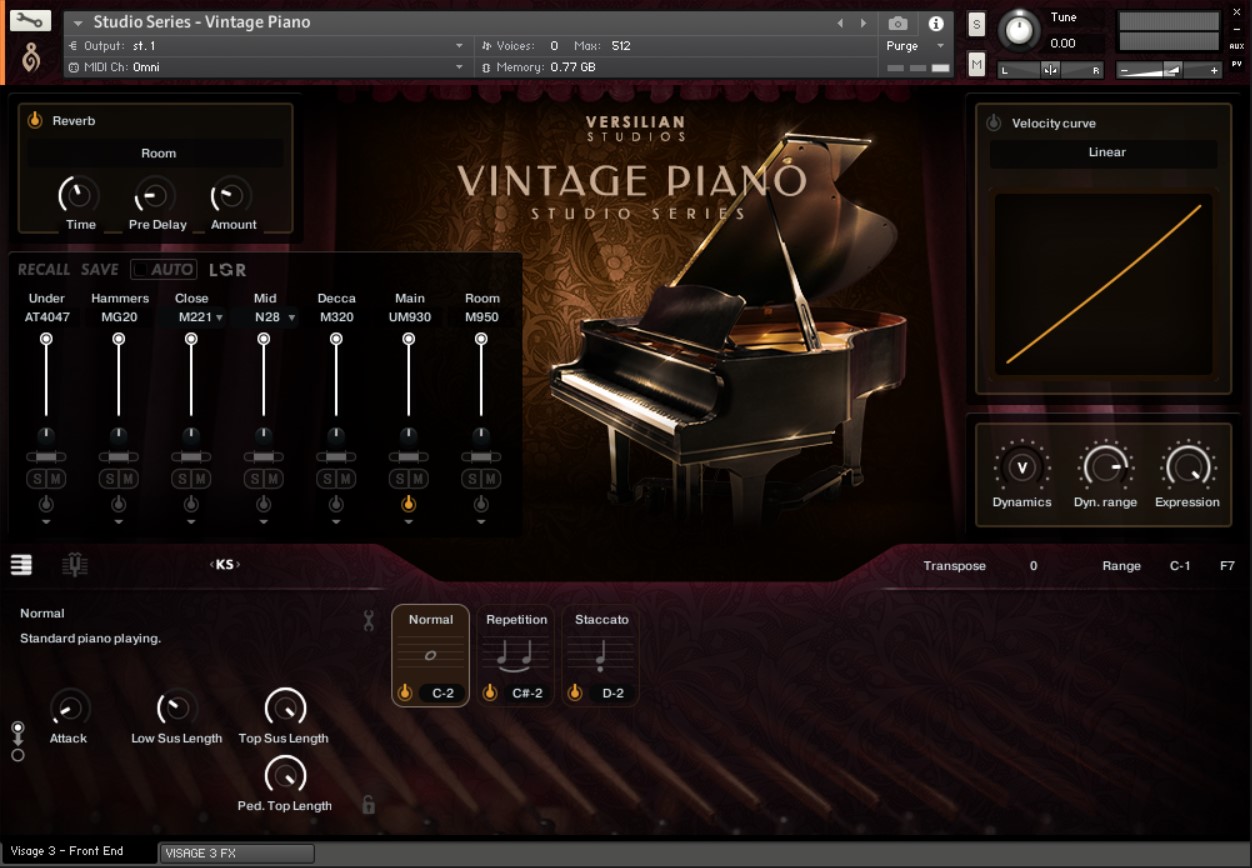
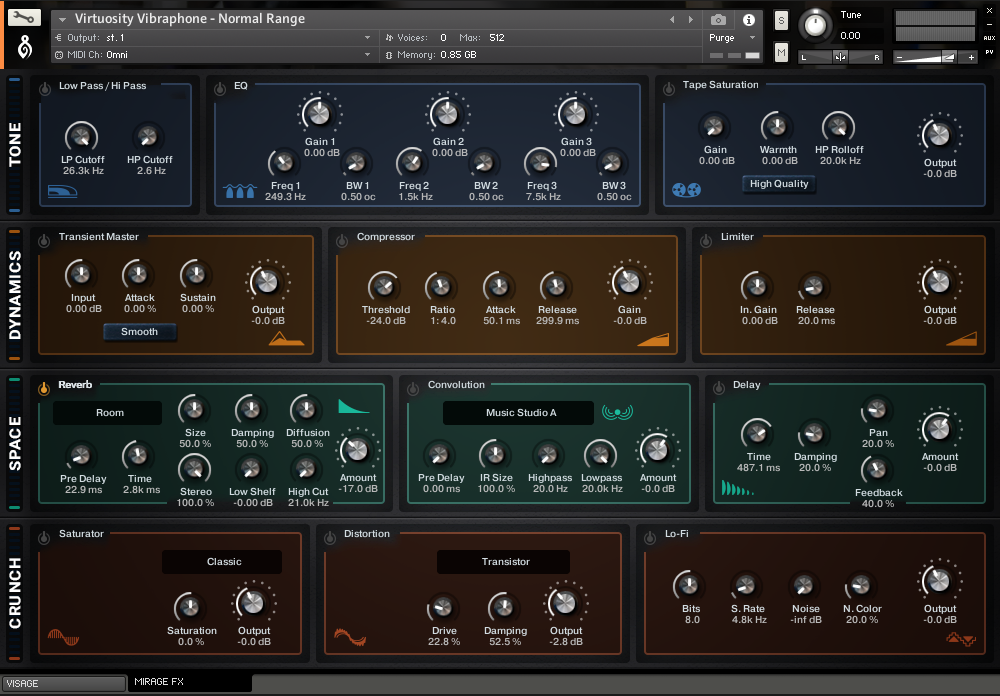
Utilizing the new VISAGE 3.5 engine to its fullest, Vintage Piano packs in a range of controls over every aspect of the instrument including but not limited to:
- Volume, pan, width, solo/mute, purge, and routing for each mic position
- Swappable Close and Mid microphones (dropdown)
- L/R swap for audience/player orientation
- Full velocity curve control
- Dynamic range control
- Separate control over volume of releases and pedal noise (up and down)
- Sustain and release length control in both damped and undamped ranges
- Moveable keyswitch block
- Transposition
- Range limiting & expanding
- Easy-access reverb settings
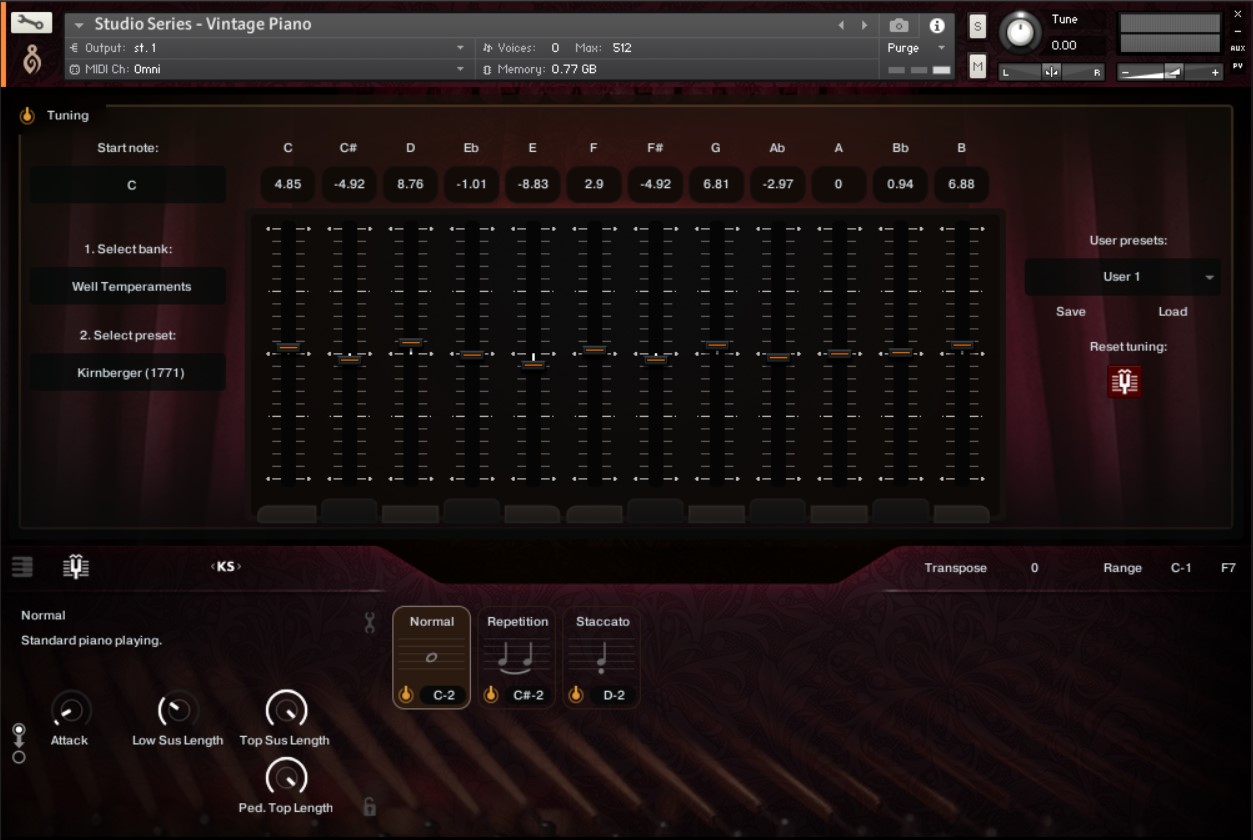
- Fully customizable tuning & temperaments engine with 29 presets
- Neighbor-borrowing RR available (customizable)
- Integration with NKS/NI keyboards
- MIRAGE FX control panel
-
- Exposes and simplifies Kontakt’s internal FX engine
- New! User Presets system
- Utilizes the latest FX in Kontakt 7
- Modular construction allows updates to VISAGE/MIRAGE FX separately
-
Complementary Colors
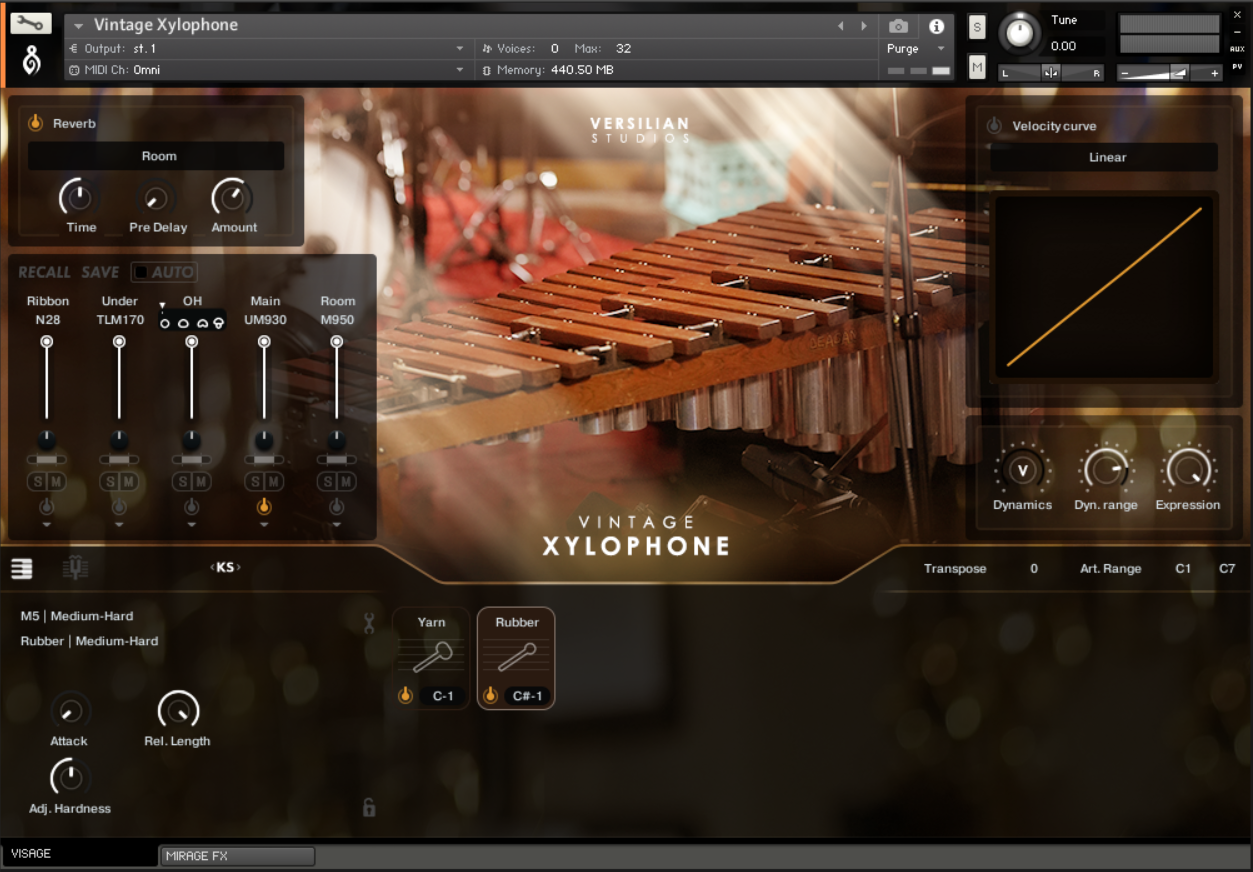
Vintage Piano is part of the Studio Series, a growing collection of consistently recorded instruments in a clean, medium studio environment:
Vintage Xylophone (Xylorimba)
PATCH LIST
Studio Series – Vintage Piano
- Normal (7 vl norm + 7 vl sus)
- Repetitions (experimental)
- Staccato (7 vl, 4 RR)
FX Presets
- Reverb (14 Presets)
- Convolution (15 Presets)
- Effect – Buzzing
- Effect – Crunchy Echoes
- Effect – Focused
- Effect – Hard Tape
- Effect – Lofi Distortion A
- Effect – Lofi Distortion B
- Effect – Old Radio
- Effect – Saturated Plate
- Effect – Transistor Distortion
Designed by library co-creator Simon Autenrieth, FX Presets provide a curated range of colors and emotions designed to help you alter the instrument to meet your sound concept or needs with minimal adjustment.
MEET the MICS
Hammers: MG20
Countless recordings make use of a simple pair of small diaphragm condensers spaced above the hammers. This position yields a percussive, vintage tone that is enhanced by the Samar MG20 with its vintage-inspired circuit design and output transformer.
Warmer than most typical SDC’s, the MG20 is the brainchild of classical concert pianist and ribbon mic expert Mark Fouxman. Its unique shape ensures minimal unwanted reflections, offering a natural sound which cuts pleasingly through any mix while avoiding any harshness.
The position is ideally spaced for a natural, comfortable reproduction of the stereo image, resulting in a feeling at low latencies very close to playing a real piano.
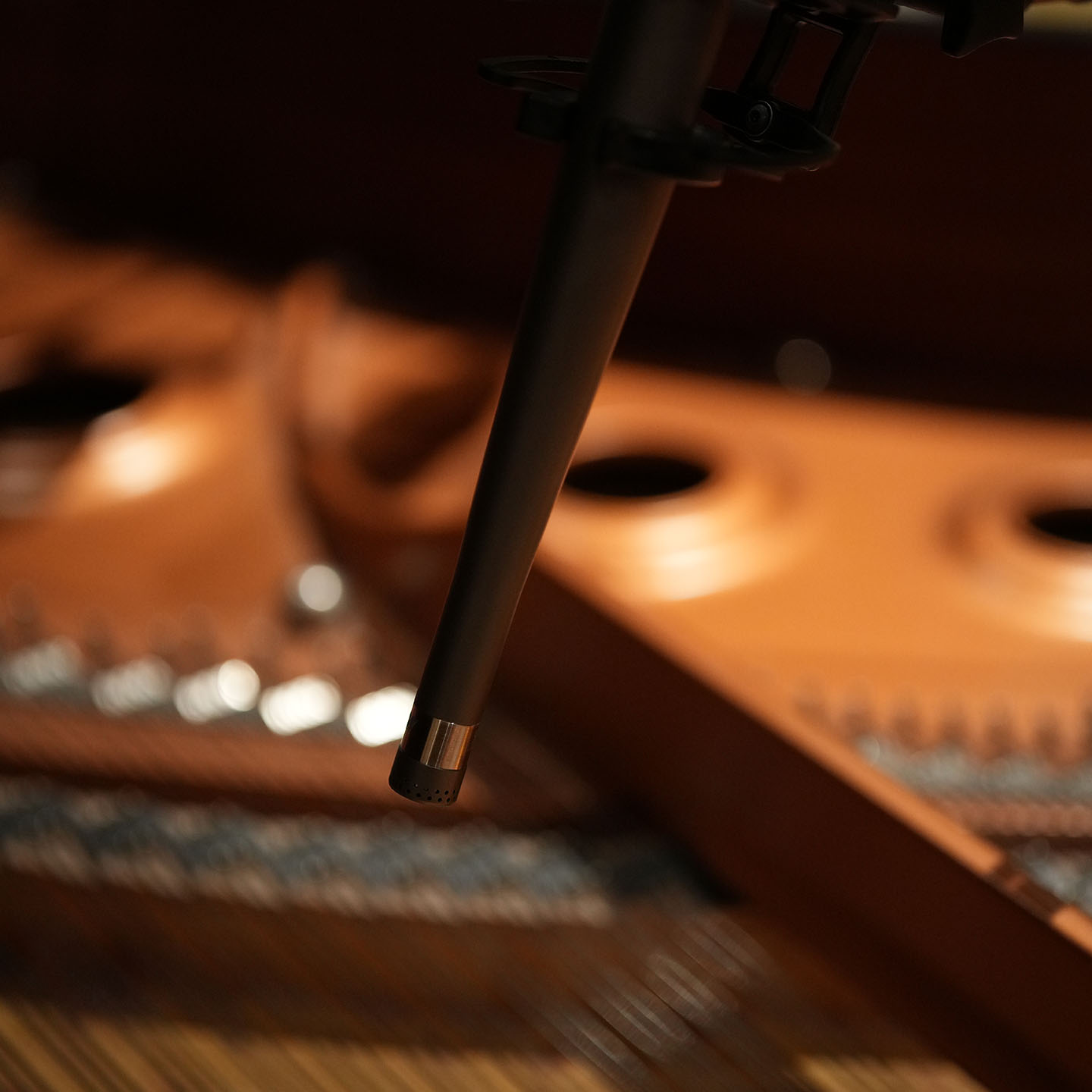
Under (mono): AT4047
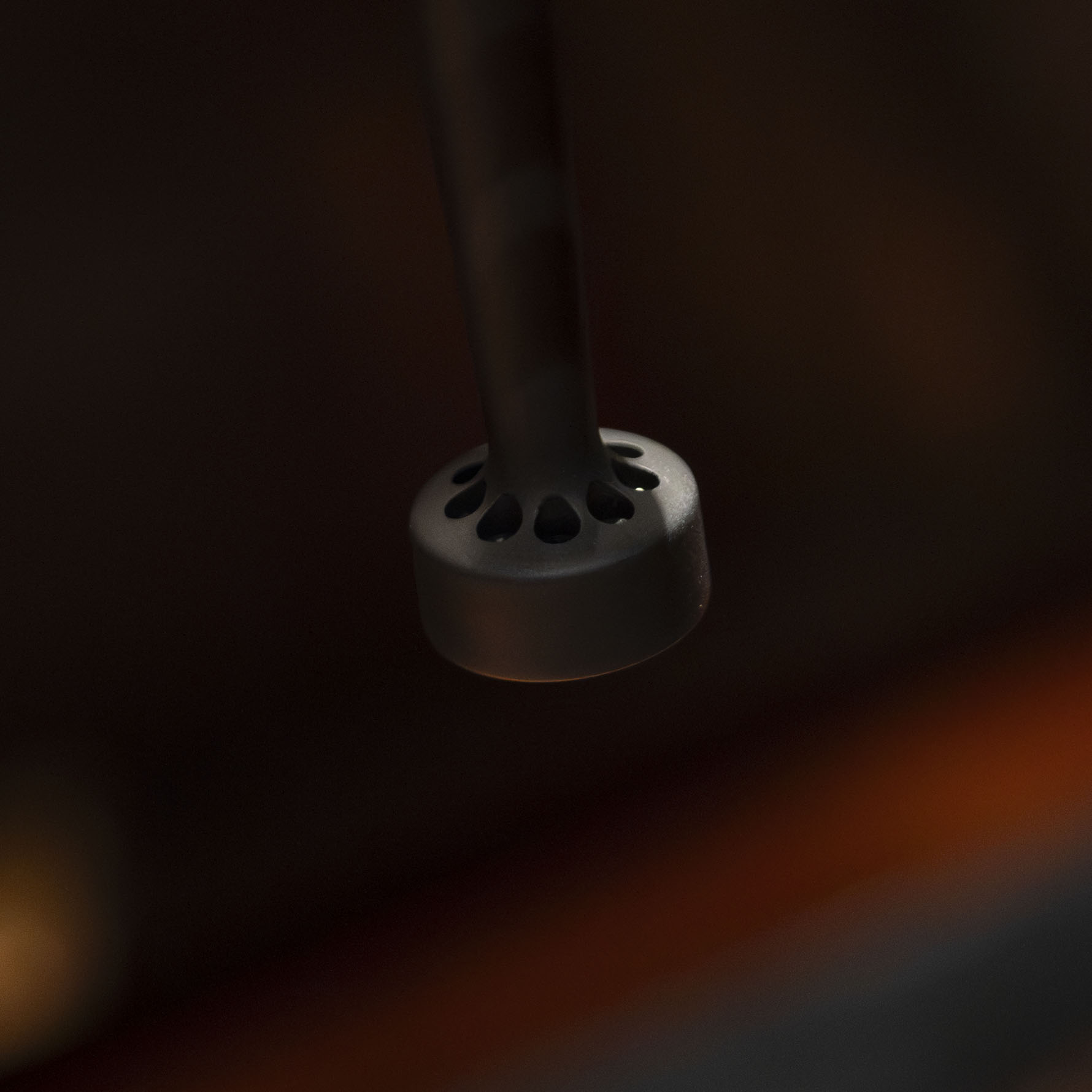
The low-noise AT4047 was placed under the piano pointed under the piano pointed upwards, a position sometimes used in difficult location recording situations.
Close A (Wide): M 221
Many engineers prefer to mic the piano with two mics, placed in the the middle of the bass and treble strings respectively, which provides full and balanced sound. Working so close to the instrument, we decided a small free-field omni would be the best option to avoid excessive proximity effect and off-axis coloration muddying the sound.
Created for the laboratory, with an ultra-thin diaphragm of pure nickel and flat response from 3.5 Hz – 20 kHz and beyond, the M 221 tackles transients like nothing else with linearity that would make standard recording mics blush.
Spaced wide here, it captures an enormous, full stereo image. Every detail, every vibration is rendered in crisp, warm focus.
Close B (Narrow): M 940
Placed over the ‘holes’ in the piano’s plate, this position is well at home in styles seeking a piano with ‘cut’ or those seeking the highest isolation.
The M 940 was chosen for its extreme low noise, tight supercardioid pattern, and rolled off low end, making this one of the cleanest positions in the library. The placement favors mid and high frequencies, rendering them with impressive clarity and warmth. At the same time, pushed hard it ‘cuts’ cleanly through most mixes.
The narrow spacing has a compact, easy to mix sound.
Mid A: M 930 Ts
This position is popular among engineers going back to nearly the dawn of recording itself, capturing the natural sound of the piano from the ‘bend’.
Accomplished here with a spaced pair of M930Ts, special transformer-equipped low noise LDC’s, this position has a detail and sheen while retaining an impressive low end and effortlessly captures the entire dynamic range of the piano.
The image in this position is ideally neutral, full and clear across the stereo image and rendering the piano evenly and naturally.
Mid B: AEA N28
The use of stereo ribbon mics on piano has long been in vogue by jazz and classical engineers. The blumlein configuration has extremely good stereo imaging and ribbons tend to gently warm and smooth over any blemishes in the sound of the piano.
The AEA N28 was chosen here as an active stereo ribbon with a warm, characteristic sound. Use it to thicken up other mic positions, or on its own for sweet mids and highs.
Main: UM 930
As we work our way outside of the piano, we move towards a classical attitude on piano recording. This pair of dual-capsule LDC’s are by far the most expensive microphones used on this project, and they sound the part.
The UM 930 is Microtech Gefell’s flagship FET LDC, with a unique dual-capsule construction consisting of two single diaphragm capsules back to back. This results in a vanishingly low noise spec of 7 dBA, unparalleled by traditional dual-diaphragm designs. The high max SPL of 142 dB ensures zero distortion, rendering the piano with impressive dynamic range and detail.
The overall voicing of the UM 930 is reminiscent of the M7 M49, a capsule and mic highly regarded for many famous piano recordings, with a relaxed low end, classic forward mids, but with a touch of modernity to the extreme highs. The special sense of “presence” helps the piano to carry even through very dense mixes. A perfect blend of ‘vintage’ and ‘modern’!
The spacing provides a wide but controlled stereo field just as home in a pop mix as a jazz ballad. With the mics well outside the piano, the sound has a sense of natural spaciousness not found in the closer mics, but remains clearer and more focused than room mics.
This position blends beautifully with the closer mics which add body to the sound.
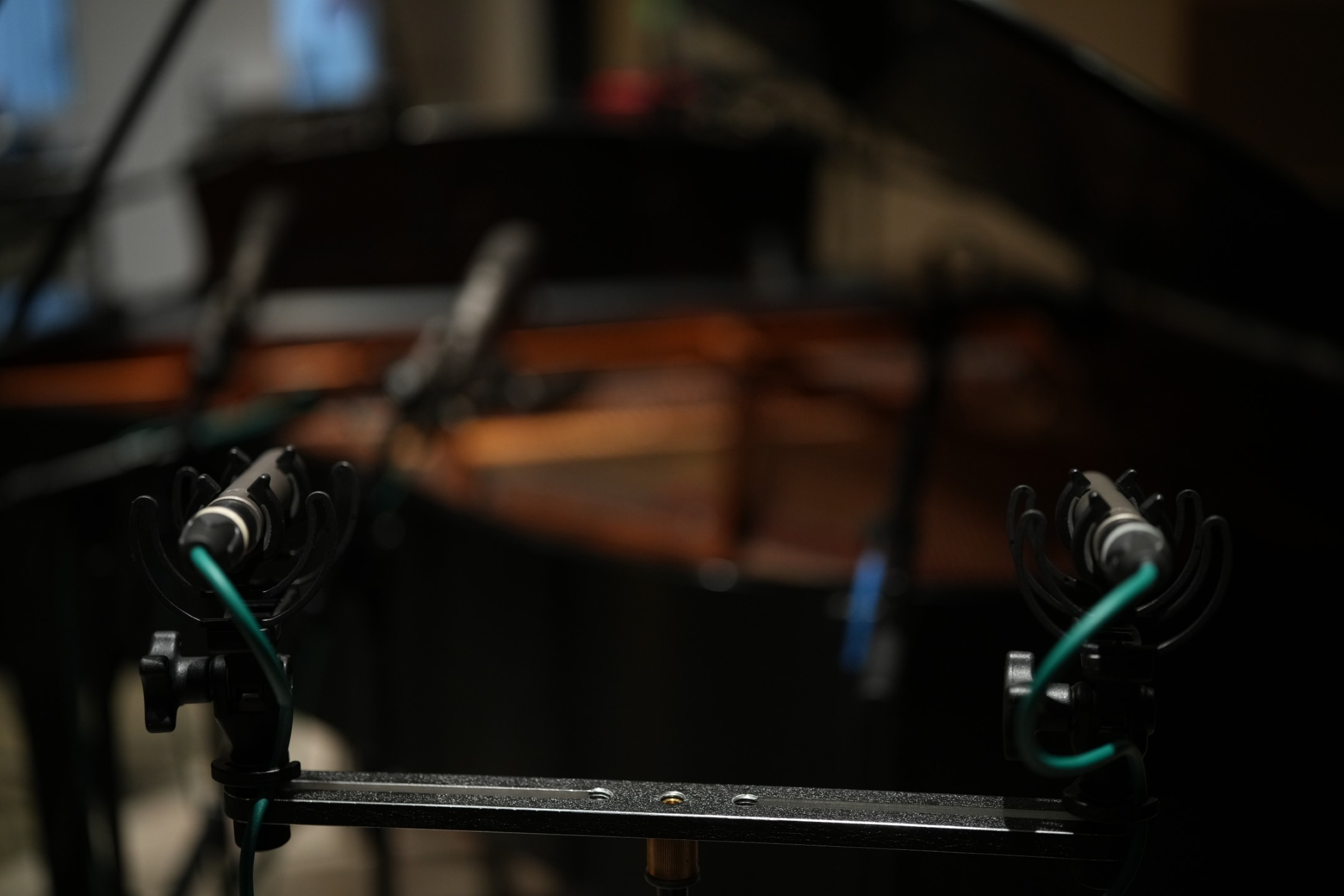
“Decca”: M 320
This somewhat unusual placement is a long-time favorite of engineers from Decca. The idea is to capture a very even impression of the entire range of the piano without any areas stronger or weaker than others or too wide of an image.
The microphones chosen for this, the M 320, is effectively a direct modern equivalent of the KM 83 omni, which was Decca’s go-to favorite for this. The M 320 improves significantly on the KM 83 with both significantly lower noise and higher max SPL, while retaining the superb low end of an omni and nearly identical frequency response.
The stereo image is narrow and roomy, ideal for instilling a sense of distance.
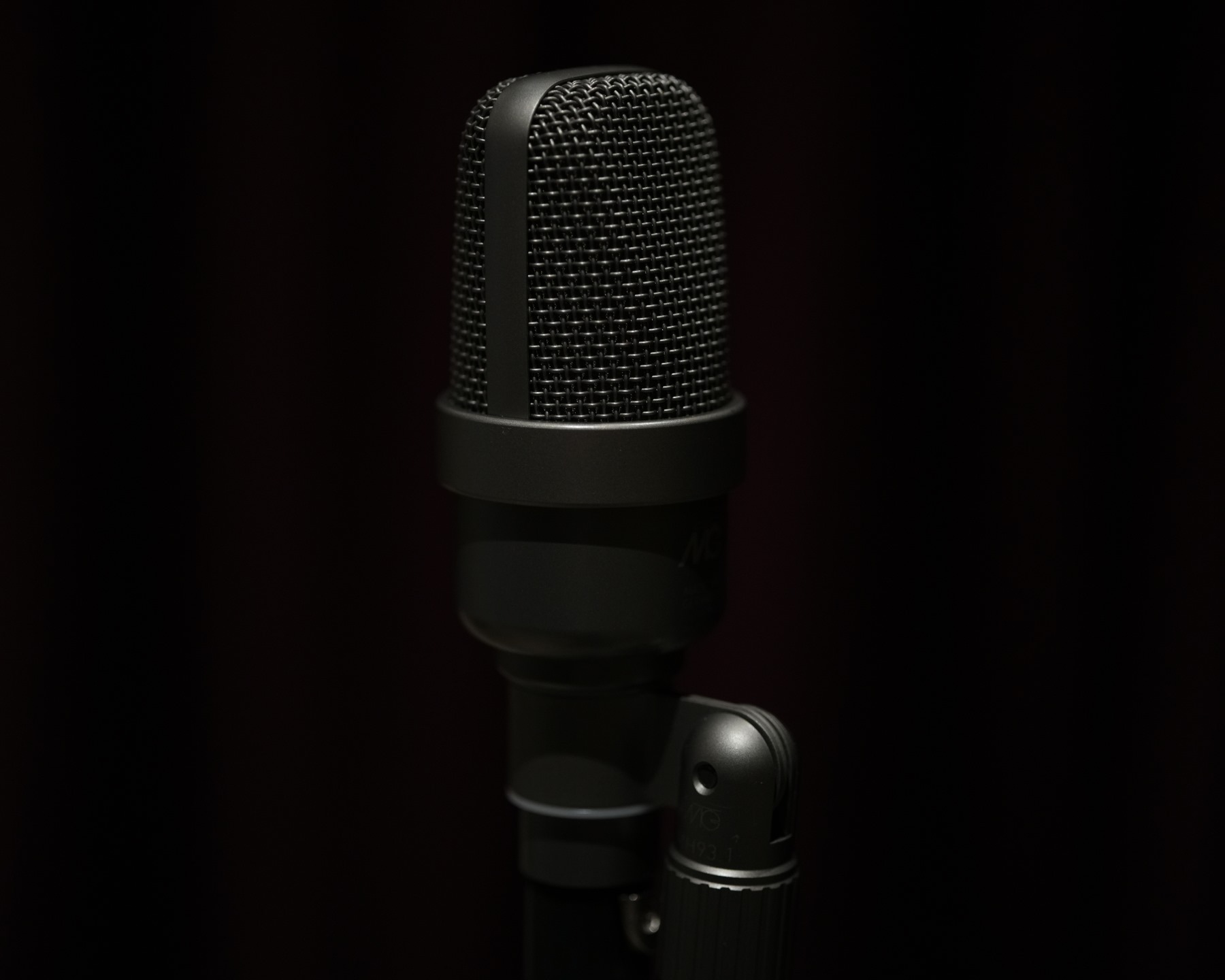
Room: M 950
This high-tech wide cardioid LDC combines very low self noise (7 dB-A) with a response ideally shaped for distant placement.
The extraordinarily wide spacing (effectively outriggers) and bright response of these mics provides a sizzly, decorrelated sound which is not time-aligned with the other mics. By mixing this in, you can add a strong sense of space and width to the piano, or better fit with orchestral packages recorded at a great distance or in large soundstage environments.